
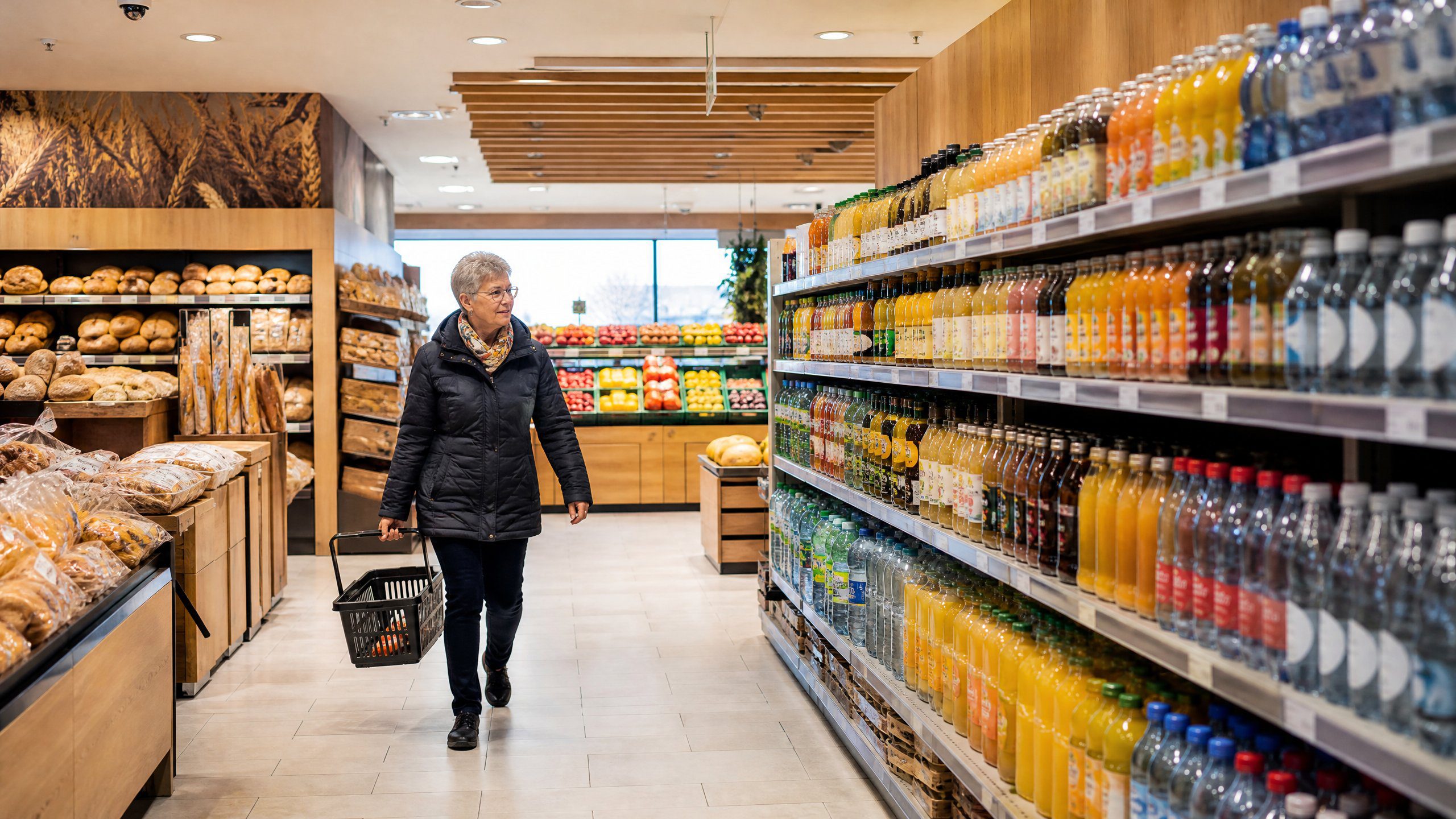
In June 2022 more than 630,000 members of Switzerland’s biggest supermarket chain voted on whether their shops could finally sell beer and wine, and every one of its ten regional cooperatives said no.
Migros, the Swiss retailer founded in Zurich in 1925 by the businessman Gottlieb Duttweiler, has refused to sell alcohol in its supermarkets since 1928 and keeps tobacco out of them too. The chain belongs to more than two million cooperative members rather than to shareholders, because Duttweiler and his wife Adele turned it into a cooperative in 1941. When its members were asked in 2022 to lift the alcohol ban, none of the ten regional cooperatives reached the two-thirds majority needed to change it.
The ban was Duttweiler’s own rule, and it survived his death in 1962, the growth of Migros into the country’s largest retailer and repeated pressure from inside the company to drop it. The cooperative’s statutes also oblige it to put money into culture and adult education and to cut prices when profits rise too far.
The Migros rules in numbers
| Founded | August 15, 1925, in Zurich |
|---|---|
| Alcohol ban | Since 1928 |
| Became a cooperative | 1941 |
| Culture Percentage | 1 percent of wholesale revenue |
| 2022 vote turnout | 29 percent, more than 630,000 voters |
| Result | No in all ten regional cooperatives |
Five Trucks in Zurich
Duttweiler was born in 1888 and trained in the food trade as an apprentice at a wholesale firm, later becoming a partner in the firm. He spent time on coffee and sugar plantations in Brazil, and when he came back he noticed that Swiss grocers were earning more from coffee than the people who grew it.
His answer was a business that cut out the middlemen between the producers and the shopper. Migros AG was entered in the Zurich commercial register on August 15, 1925, his 37th birthday, with share capital of 100,000 Swiss francs. He bought five Ford Model T trucks and turned them into traveling shops that sold six staples, coffee, rice, sugar, pasta, coconut fat and soap, to households around the city.
The goods were bought in bulk and sold in standard packs, which saved the cost of weighing and wrapping them in the shop. That let Migros sell well below the prices of established grocers, and the following year it opened its first store in Zurich.
A War With Swiss Grocers
The rest of the Swiss food trade fought back hard against the trucks and their low prices. In 1926 the Zurich authorities raised the tax on mobile shops by 500 percent, and the canton of Aargau moved to ban them. In Basel police seized Migros trucks and arrested their drivers, although Duttweiler won the case in court.
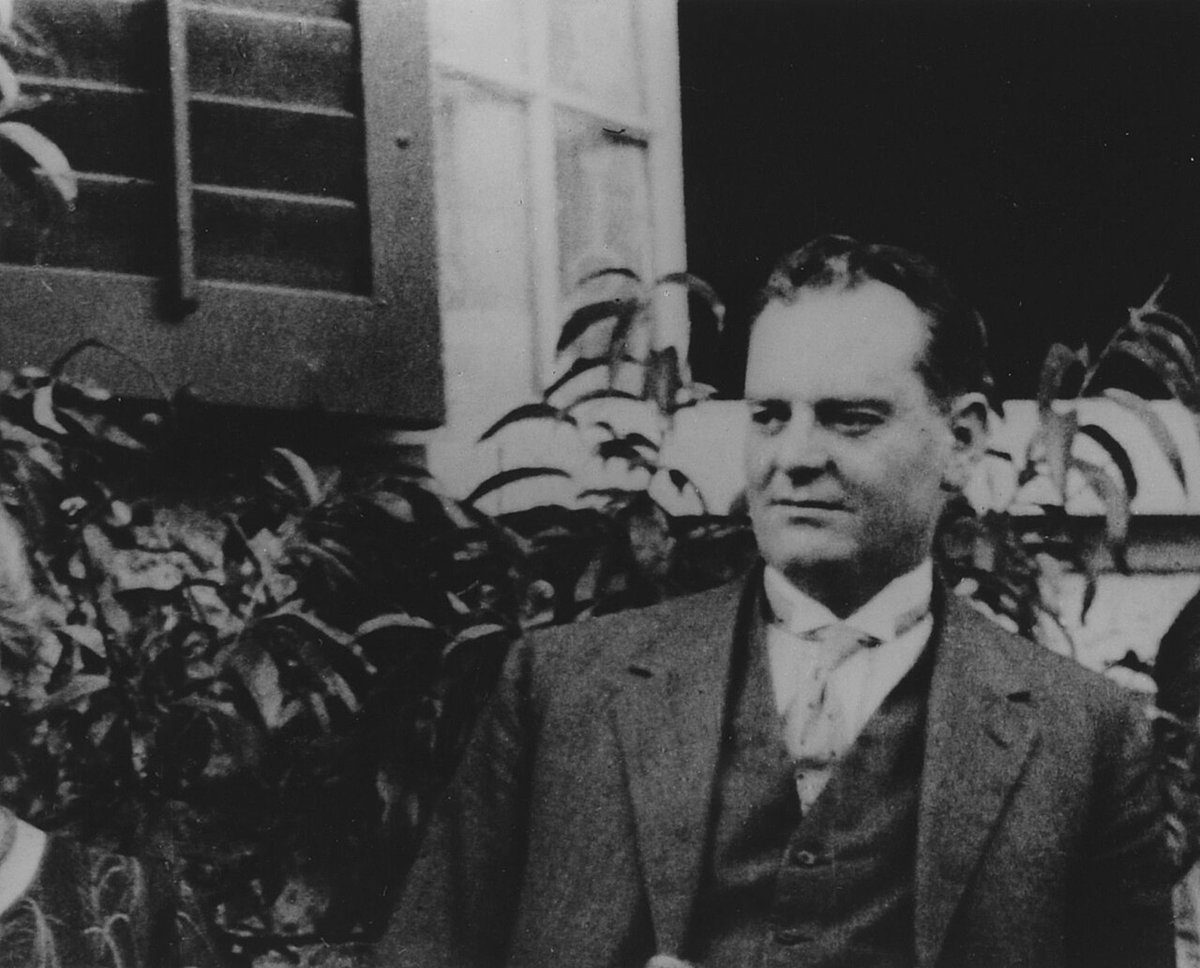
Wholesalers and manufacturers organized a national boycott, and companies that sold to Migros lost their other customers. Duttweiler responded by building his own factories, and in 1928 he bought Alkoholfreie Weine AG Meilen, a struggling fruit juice maker on Lake Zurich, which became the first Migros food business. When newspapers refused his advertising he started a Zurich daily of his own, Die Tat. After laws were passed against his business he formed a political party and won a seat in parliament.
In the same year that he bought the juice factory, he stopped Migros from selling alcohol. He kept tobacco off the shelves too, and he regarded both as a threat to the well-being of his customers and their families.
Read next
The Real Rain Man Read Two Pages at Once, One With Each Eye
Why Duttweiler Kept Wine Off the Shelves
Duttweiler explained his thinking about wine in an interview he gave in the 1950s. He said that if Migros had sold wine at its own low prices, it would have cost only about 58 cents a liter, cheap enough to encourage more drinking.
There was pressure to change the rule even in his lifetime. When Swiss growers were left with surplus wine, he suggested that Migros might stock local wines, and he later said the cooperative’s council had almost stoned him to death for the idea. He kept the ban, telling the interviewer, “When you’ve upheld a principle for 27 years . . . you shouldn’t give it up for opportunistic reasons.”
Handing the Business to Its Customers
By 1941 Duttweiler’s fortune had reached about $4 million, and that year he and Adele bought up all the shares in Migros AG and turned the company into a cooperative. Ownership passed to its members, the employees and customers, and the regional companies became regional cooperatives grouped in the Federation of Migros Cooperatives.
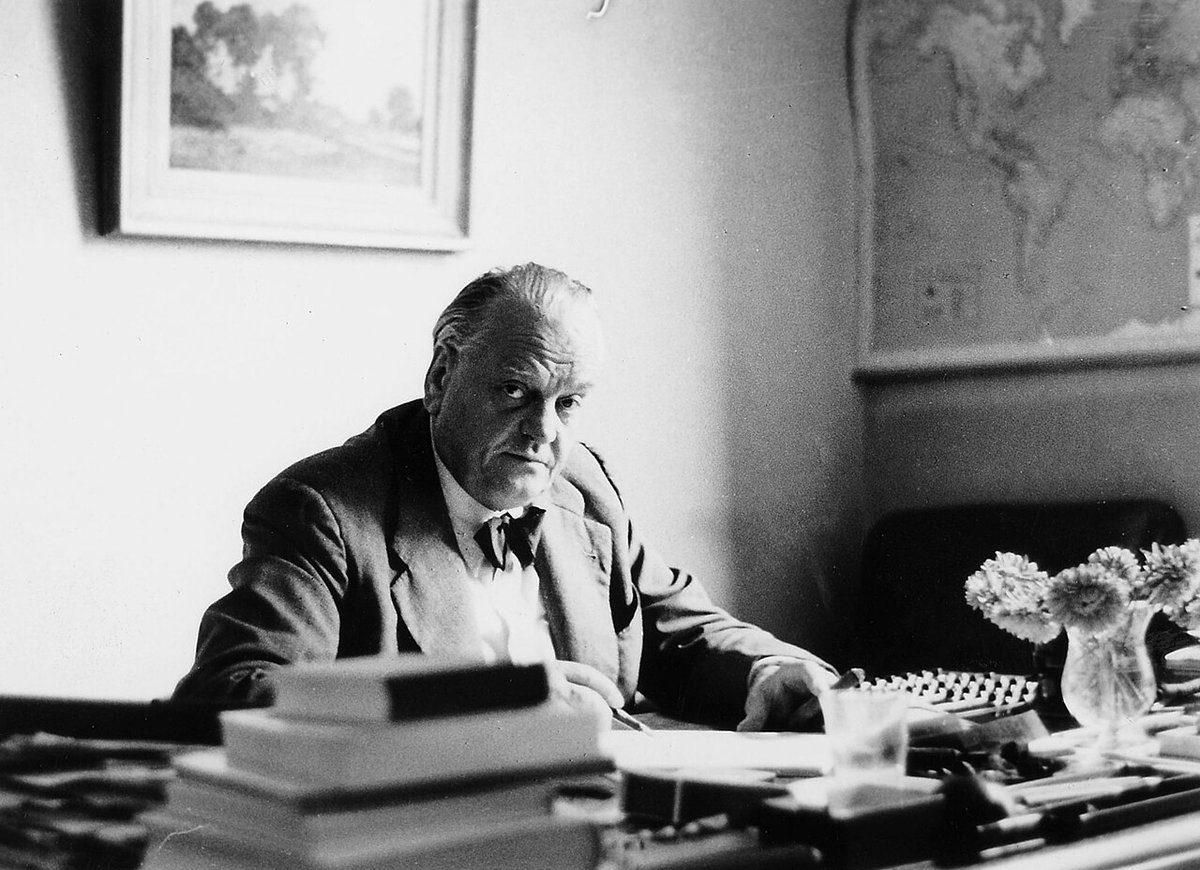
Duttweiler kept little of the money for himself after giving the company away. A 1954 profile in Time described him living in a four-room house without servants and driving a small Fiat two-seater. It noted that he had given up his $9,000 salary as president of the cooperative three years earlier.
At the time of the conversion he also proposed that a fixed share of revenue should go to public and cultural causes. In 1957 that became the Culture Percentage, written into the cooperative’s statutes. It is 1 percent of the federation’s wholesale revenue and 0.5 percent of the regional cooperatives’ retail revenue, and it is paid even in weak years. The money pays for adult education and cultural programs, and the statutes also require Migros shops to lower prices when profits rise too much. Duttweiler died on June 8, 1962, and the alcohol ban stayed in the statutes after him.
The 2022 Vote on the Migros Alcohol Ban
By the 2020s the ban had gaps that any Swiss shopper could see. In 2007 Migros announced a deal to take over Denner, a discount chain that sells alcohol and cigarettes. Its online store, its migrolino convenience shops and its Migrol gas stations also sell alcohol, and the Swiss tabloid newspaper Blick called the arrangement hypocritical.
In November 2021, 85 of 111 delegates at a Migros delegates’ meeting voted to put a change in the statutes to the members. Supporters pointed to the money at stake, since the Swiss retail trade earned 2.6 billion francs from beer, wine and spirits in 2020. The temperance group Blue Cross warned that selling alcohol would betray the identity of Migros, and addiction experts said the chain was a safe place for recovering alcoholics to shop.
Each regional cooperative needed a two-thirds majority in favor before its shops could sell alcohol, and tobacco was never on the ballot. The results were announced on June 16, 2022, after a turnout of 29 percent, and no cooperative came close to the threshold. In Zurich and Aare about 80 percent voted to keep the ban, while Ticino, the most open to the change, recorded 45 percent in favor.
Ursula Nold, chair of the Federation of Migros Cooperatives, said the result was not surprising because all polls had pointed to a clear no. The Migros supermarkets that grew out of five trucks in Zurich still sell no beer, wine, spirits or cigarettes, ninety-four years after Duttweiler first took alcohol off their shelves.