
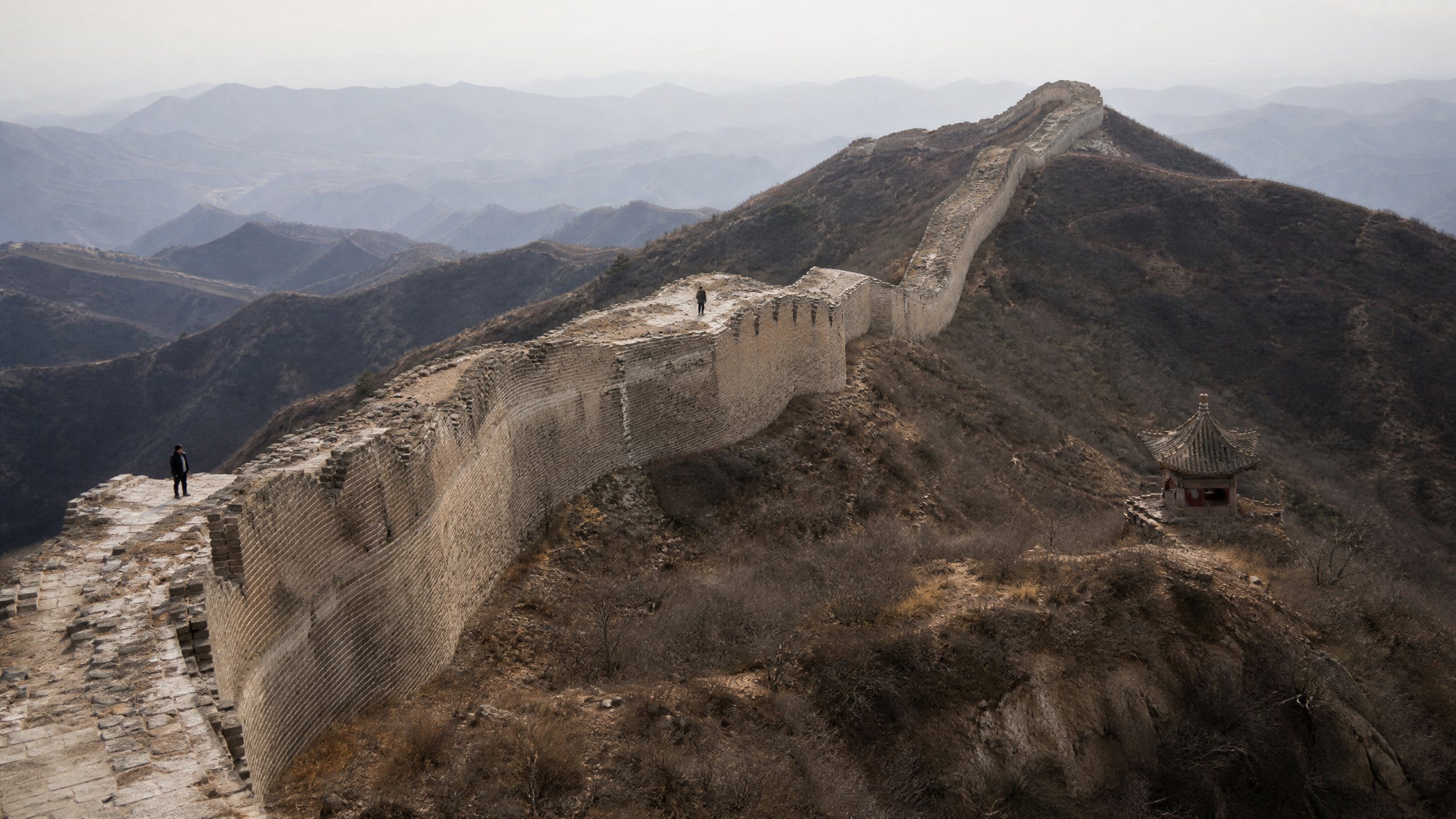
On June 27, 1988, after three months of walking toward each other along the Great Wall of China, the artists Marina Abramovic and Ulay met at a temple, embraced, and ended their relationship.
Marina Abramovic and her partner Ulay, the German artist born Frank Uwe Laysiepen, had planned the walk as their wedding. Each would start at one end of the wall, walk alone toward the other, and marry at the point where they met. The Chinese government took eight years to give permission, and by the time the walk began in 1988 the couple had agreed that it would end their partnership instead.
In the piece, called The Lovers, Abramovic set out from the eastern end of the wall on the Gulf of Bohai, by the Yellow Sea, and Ulay from Jiayu Pass at its western end in the Gobi Desert. Between them they covered 5,995 kilometers over about 90 days before they met at Erlang Shen, a Buddhist temple at Shenmu.
The Great Wall walk
| Planned as | Their wedding |
|---|---|
| Wait for permission | Eight years |
| Start points | Gulf of Bohai and Jiayu Pass |
| Distance between them | 5,995 kilometers |
| Length of walk | About 90 days |
| Meeting | June 27, 1988, at Shenmu |
A Wedding Planned on the Wall
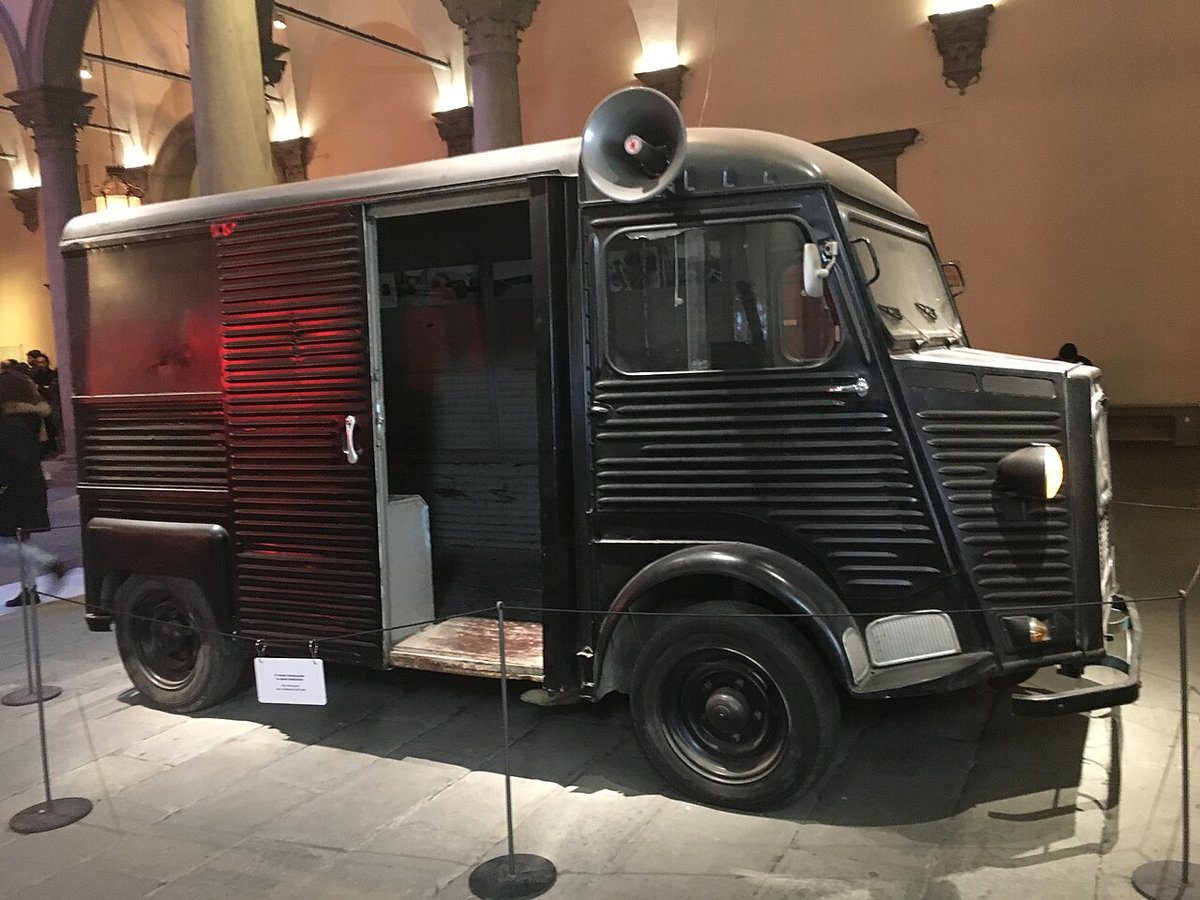
The two artists met in Amsterdam in the mid-1970s and lived together for years in a Citroen van, traveling from one performance to the next. From 1976 to 1988 they made their work as a pair, and the Great Wall was meant to bring that partnership to a close with a marriage.
Abramovic later wrote that the idea came to them in 1980, under a full moon in the Australian outback. They chose the wall because they believed it was the only human construction visible from space. They pictured walking it as a single straight line, each of them alone, camping on the wall every night.
The negotiations with the Chinese authorities dragged on through most of the 1980s. Over those years the relationship turned bitter, marked by lies and infidelity, and they agreed that once permission came they would make the walk anyway and part for good at the end of it.
Read next
The Enslaved Boy Whose 1841 Trick Still Pollinates the World’s Vanilla
Ninety Days on the Great Wall of China
The walk was harder than either of them had imagined, because the wall did not run as one continuous path. Abramovic said that “only parts of the wall were renovated for tourists. The rest of it, around the mountains, was a ruin.”
The two artists did not camp on the wall as planned. They stayed at inns along the route and walked with bodyguards and translators assigned by the government. Abramovic’s translator was a 27-year-old who had been sent on the walk as a punishment, after producing a forbidden booklet about breakdancing. He turned up in a plain suit and broken shoes, and for the first two months the two of them hardly spoke.
In the villages along her route, people gathered to look at the foreign woman walking the wall, and older women held her nose, believing it would bring fertility. Abramovic later described the three months as painful and full of hardship, but said the walking made her merge with the landscape.
Ulay sent her a letter from the wall describing how easy his own trek had been. He reached the meeting point first, at the temple of Erlang Shen at Shenmu, and waited there for three days.
The Meeting at Shenmu
When Abramovic arrived, any hope she still had of a reconciliation faded quickly. She later called it “the embrace of a comrade, not a lover,” and she remembered her feelings in order: “First I was angry, then I was sad, then I cried.”
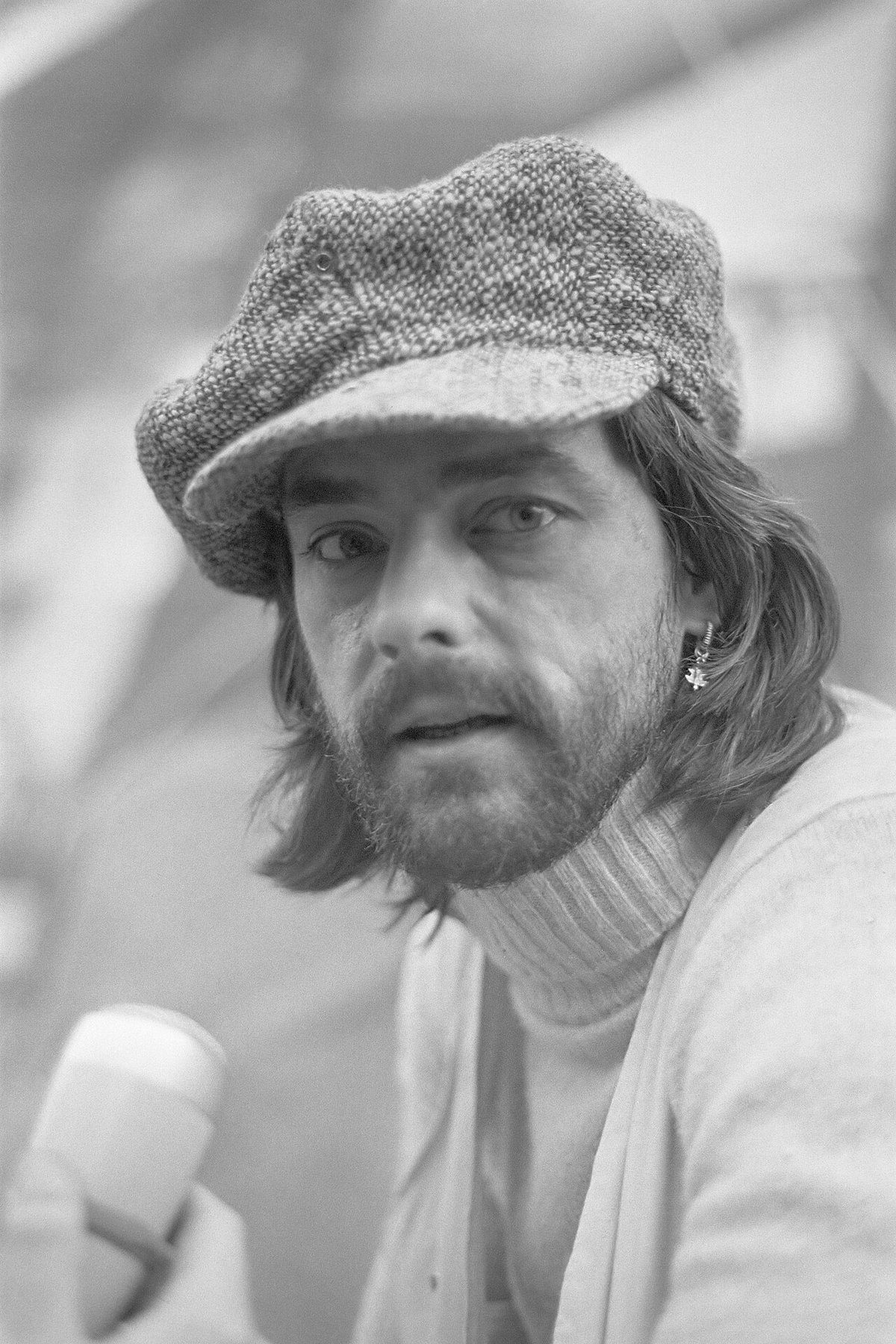
She was angry because the work had been conceived so that they would meet and marry wherever the wall brought them together. Ulay then told her that his translator was pregnant with his child and asked what he should do. “I told him he should marry her,” Abramovic said later, recalling the conversation on the wall.
They embraced on the wall one last time, said goodbye and walked away from each other. They did not make work together again, and for more than 20 years they did not speak.
After The Lovers
Their next meeting in public came in 2010, at the Museum of Modern Art in New York, during Abramovic’s retrospective The Artist Is Present, which ran from March 14 to May 31.
For the performance, Abramovic sat at a table and invited visitors to take the chair opposite her. During the retrospective Ulay walked in and sat down in front of her without warning, after more than two decades apart. Her eyes filled with tears, and at the end she reached her hands across the table and he took them, before he stood up and the next visitor sat down.
The Lovers was shown in China for the first time at Shanghai PhotoFairs in September 2019, 31 years after the walk. The photographs in it were taken by Abramovic’s translator, the young man in broken shoes who had walked beside her for three months and hardly spoken to her for the first two.